ATLAS

ATLAS

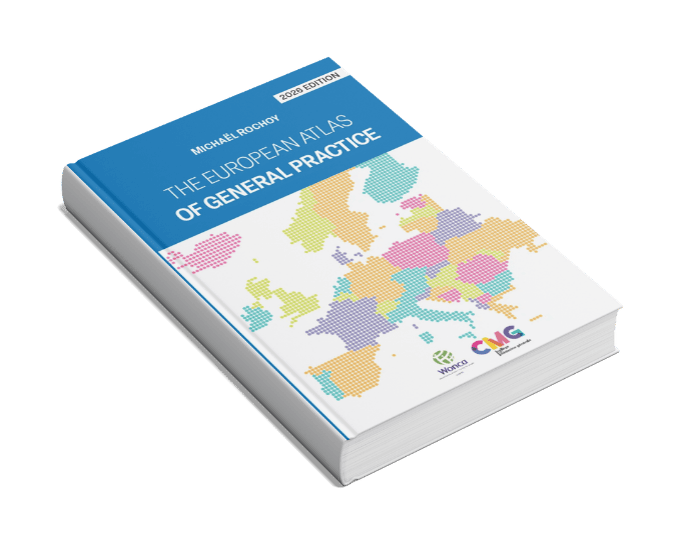
The European Atlas of General Practice 2026

What if you could see your practice… on a pan European scale?

To mark the WONCA Europe Conference 2026, this unique atlas takes you on a journey to the heart of European general practice.

From one country to another, from one healthcare system to another, it reveals what unites us, what sets us apart… and what we can learn from one another.

What if you could see your practice… on a pan European scale?

To mark the WONCA Europe Conference 2026, this unique atlas takes you on a journey to the heart of European general practice.

From one country to another, from one healthcare system to another, it reveals what unites us, what sets us apart… and what we can learn from one another.

“This comparative overview of 53 countries explores the major challenges facing general practice — demographics, healthcare organisation, prevention, access to care and administrative burdens — with a simple aim: to fuel discussions on the future of our discipline in Europe and to draw inspiration from one another.”

 Michaël Rochoy

Designed as a practical guide to understanding and reflection, this book enables you to take a step back from your day-to-day practice, enrich your discussions with colleagues and shed light on the current challenges facing the profession.

“This atlas is like a family album of general practice in Europe. It shows both what unites us and what sets us apart, helps us to understand one another better… and reminds us that we are not alone in facing the challenges of our profession. Above all, it is a tool for building connections, for exchanging ideas, reflecting and looking beyond the figures.”

Paul Frappé

WHAT YOU WILL FIND IN THIS ATLAS

A comparative European perspective on general practice across borders:

  • Harmonised key indicators for comparing countries
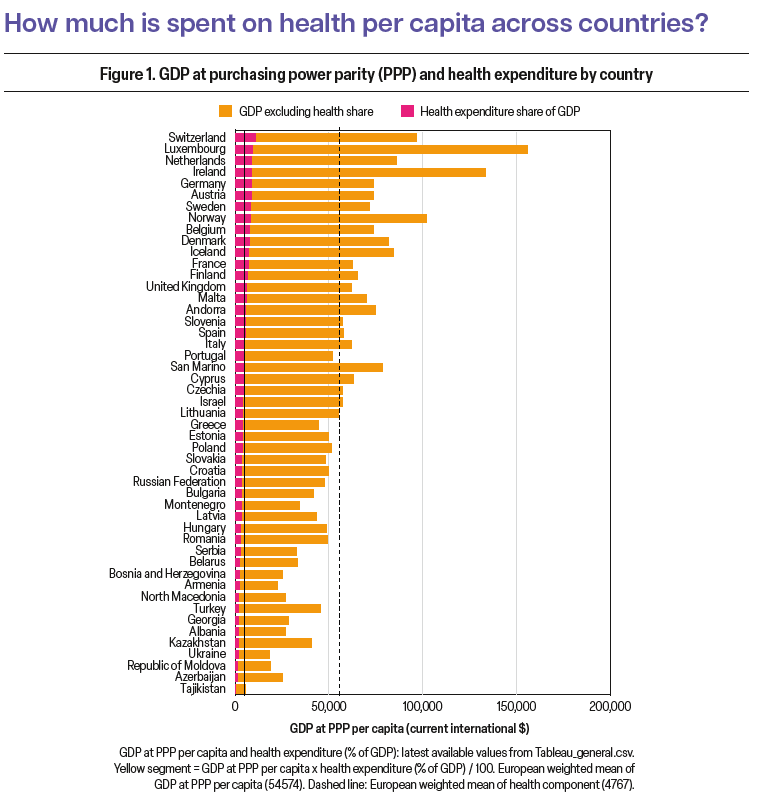
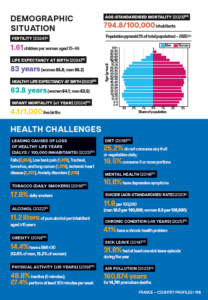
  • Health expenditure, life expectancy, mortality, prevention
  • A clear overview to better understand the main trends

A comparative European perspective on general practice across borders:

  • Harmonised key indicators for comparing countries
  • Health expenditure, life expectancy, mortality, prevention
  • A clear overview to better understand the main trends

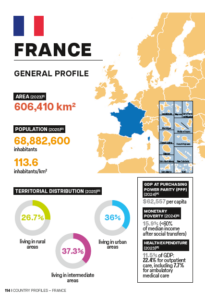
Detailed profiles of over 50 countries, offering a real-world insight into the lives of your European colleagues

  • Organisation of healthcare systems
  • Medical demographics and GP density
  • Training, practice and care pathways

Key health and practice issues in preparing for changes in the profession

  • Access to healthcare and unmet needs
  • Prevention: vaccination, screening, healthy lifestyle choices
  • Consultations, teleconsultations, working hours

A fresh look at the administrative burden to inform the future organisation of primary care

  • A comparison of several European models
  • Impact on doctors’ working hours and access to healthcare
  • Practical examples of inspiring practices

This Atlas is more than just a collection of data. It is a unique first edition, designed to mark the 30th anniversary of the conference.

It serves as a tool for dialogue among European general practitioners, helping them to gain perspective, put things into context, and open up new avenues for their daily practice.

A reference work for all those shaping general practice in Europe.

Special conference offer

  • €18When pre-ordered — collection at the conference reception desk
  • €20Payable on the day during the conference

Reserve your copy now

Author: Michaël Rochoy, Doctor of Medicine, PhD. General practitioner in Outreau (France); research associate at the University of Lille

The following people contributed to the proofreading of this book:

Radost Asenova (Bulgaria)

Roar Maagaard (Denmark)

Paul Frappé, Sophie Sun (France)

Sakis Symeonidis (Greece)

Yael Gillerman, Jonathan Brill, Shlomo Vinker (Israel)

Ferdinando Petrazzuoli (Italy)

Leonas Valius (Lithuania)

Raquel Gomez Bravo (Luxembourg)

Edward Zammit (Malta)

Torgeir Hoff Skavøy (Norway)

Adam Windak, Aleksander Biesiada (Poland)

Madalena Leite Rio (Portugal)

Olga Kuznetsova (Russia)

Snežana Knežević, Milena Kostić (Serbia)

Aleksander Stepanović (Slovenia)

Dagmar M. Haller (Switzerland)

Victoria Tkachenko (Ukraine)